Designing an Architecture Portfolio for Local SEO Without Losing the Work
How I balanced image-led storytelling, refined motion, technical performance, and local search foundations for Meso Design Studio.
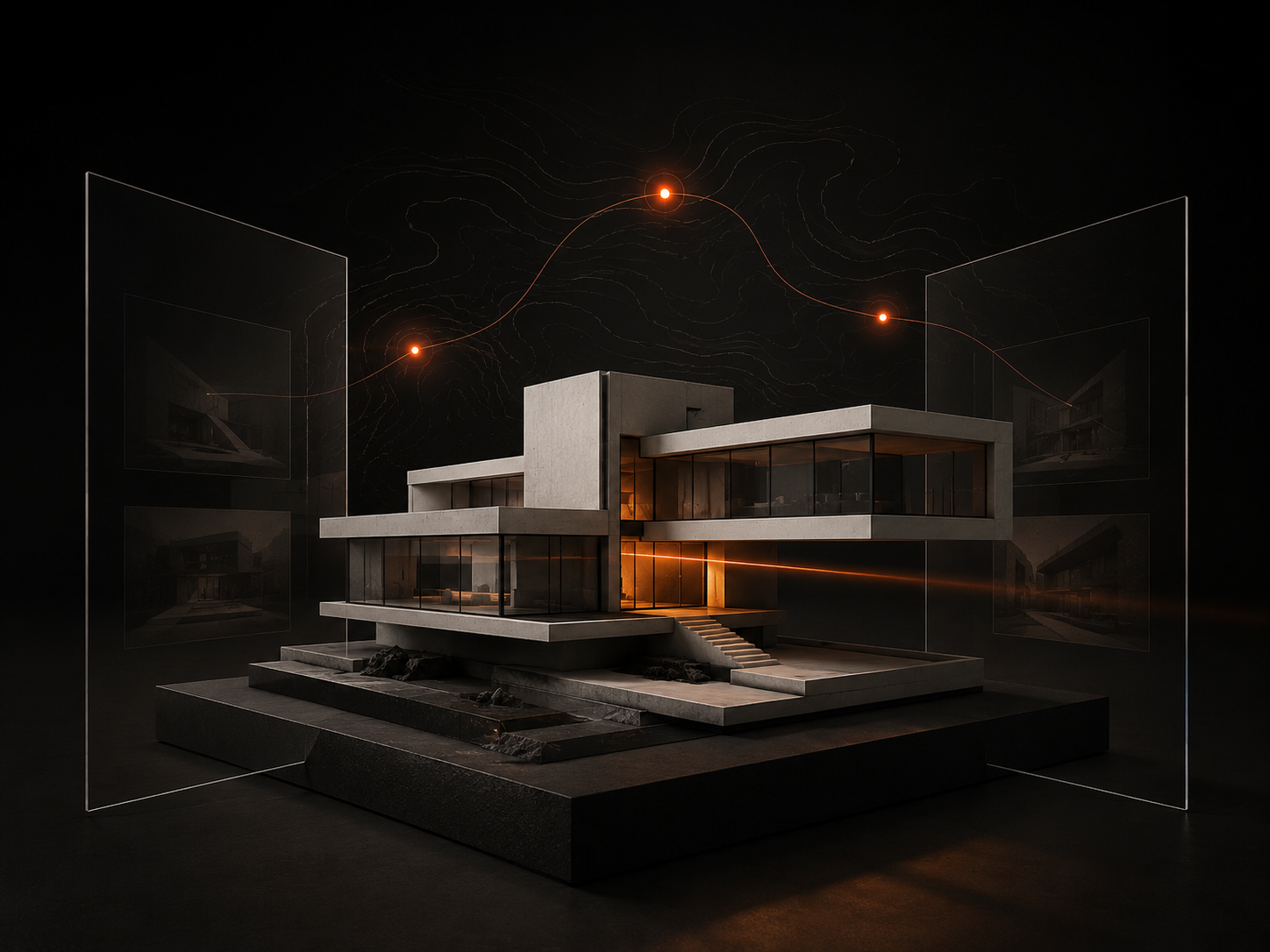
Architecture websites are built around a productive tension. The work deserves large, quiet images and enough space to be understood, while the business needs pages that load quickly and appear when potential clients search locally. I had to resolve both sides while building the portfolio for Meso Design Studio, a multidisciplinary architecture and interior design firm based in Siliguri. The project reinforced something I now believe strongly: search optimization works best when it is treated as part of the design system, not as a checklist added after launch.
Begin with how a client evaluates an architecture firm
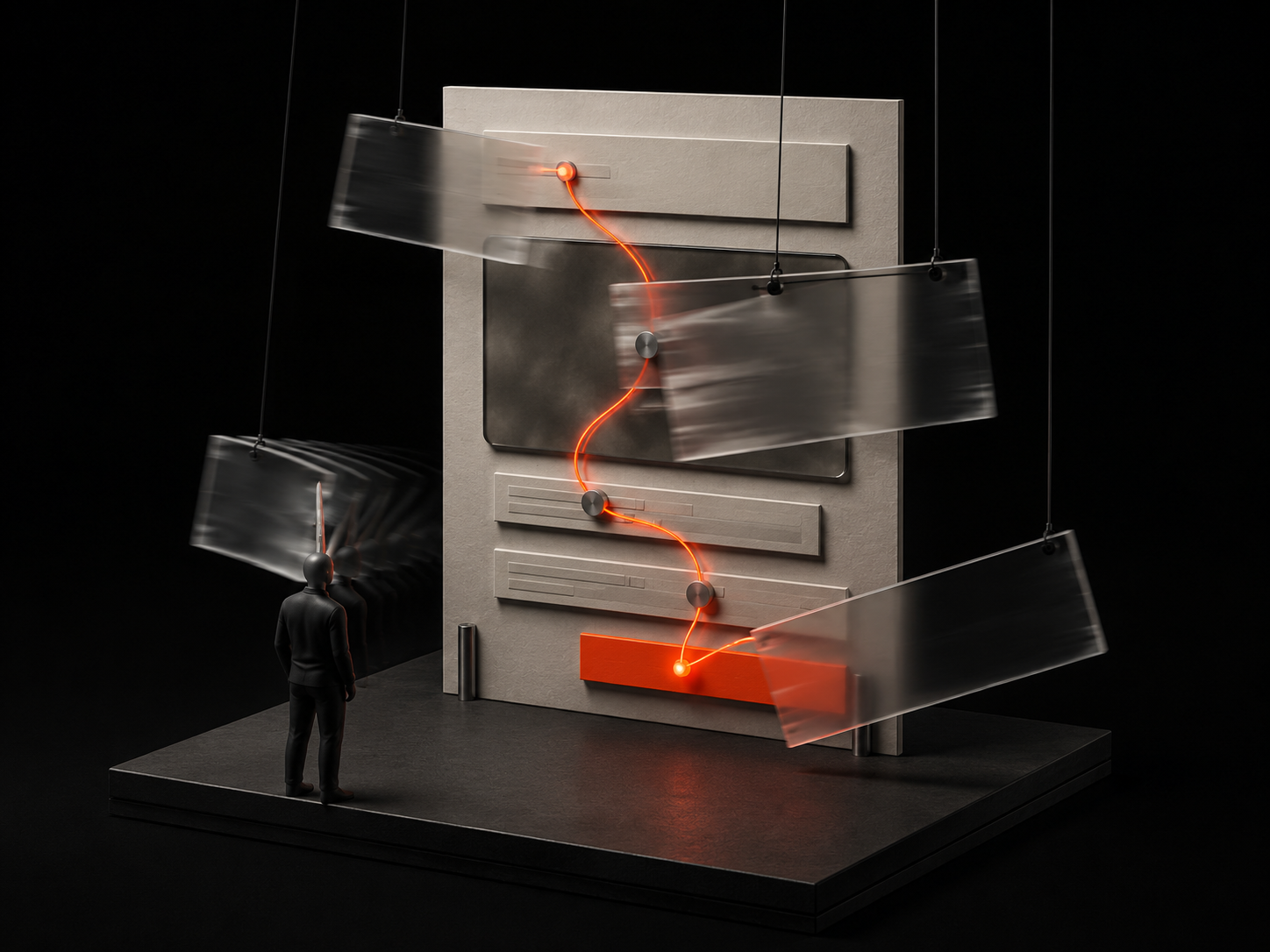
A potential client does not arrive looking for a sitemap or a list of keywords. They want evidence of taste, relevant experience, and the confidence that a firm can handle their kind of project. That made the project galleries the center of the site. Residential, hospitality, and commercial work needed room to communicate through photography, while team information and contact paths had to remain easy to find. This user journey also creates a sensible search structure: clear project categories, descriptive headings, useful location context, and individual pages that answer specific questions.
Let visual hierarchy carry the luxury feeling
A luxury portfolio does not need an effect on every element. It needs confidence. I used generous spacing, a restrained typographic system, strong project imagery, and deliberate transitions to create that feeling. Framer Motion, a custom cursor, and a subtle grain texture add character, but they stay behind the architecture rather than competing with it. Restraint also improves usability: visitors can focus on material, proportion, light, and space instead of decoding the interface.
Optimize images as content, not decoration
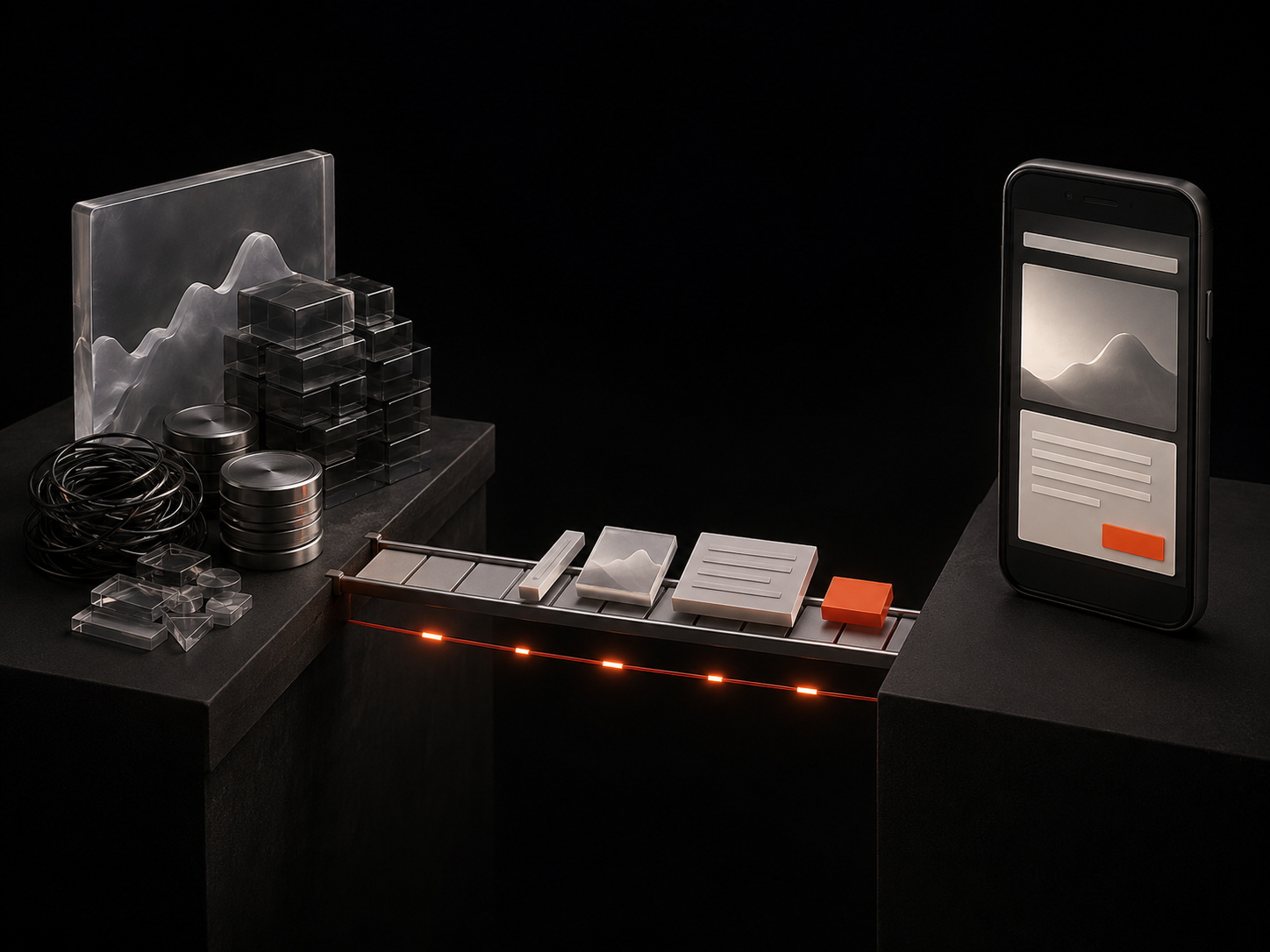
High-resolution project photography is essential for an architecture portfolio and is usually its largest performance cost. The solution was not to make every image small; it was to deliver the appropriate image for each context. Next.js image optimization, modern WebP assets, responsive sizing, and long-lived cache headers help the galleries remain detailed without asking every device to download the same file. Stable image dimensions also prevent layout shifts, which makes the site feel more carefully built before a visitor notices any performance score.
Build local relevance through real information
Local SEO becomes weak when a page repeats a city name without adding value. For Meso Design Studio, the stronger foundation was accurate business context: the firm's base in Siliguri, the areas it serves across North Bengal and Sikkim, its disciplines, its people, and the projects that prove the work. Those details naturally support searches such as architects in Siliguri or interior designers near Darjeeling because they are useful to a person as well as legible to a search engine. The aim is relevance, not repetition.
Give search engines the same clear relationships as visitors
The technical SEO layer included sitemap routes, a useful 404 page, descriptive page metadata, and JSON-LD for the organization, website, people, and breadcrumbs. Structured data does not replace good content or guarantee a ranking. It removes ambiguity. It tells search engines how the studio, its team, its location, and its pages relate to one another. Breadcrumbs do a similar job for users, especially when a portfolio grows beyond a handful of projects.
Measure the site as a whole experience
I used Lighthouse as a practical feedback loop while refining the build, with the goal of keeping scores in the 90s without flattening the visual identity. The useful question was never simply whether animation or a large image was allowed. It was whether that element earned its cost and whether it could be implemented more efficiently. Performance, accessibility, SEO, and design quality are connected: a stable page is easier to explore, an understandable page is easier to index, and a faster gallery lets the work make its impression sooner.
The portfolio should prove the positioning
The most effective architecture website does not choose between looking refined and being discoverable. Its structure, copy, code, and imagery all support the same promise. For Meso Design Studio, that meant an image-led portfolio with enough technical discipline to stay fast and enough local context to be found by the right audience. Good SEO did not dilute the design. It gave the design a better chance to be seen.